The Importance of Framing in Home Additions
When it comes to home additions, framing is often the unsung hero of the construction process. It’s the backbone of any structure, providing not only support but also defining the space within your home. Understanding the importance of framing can help homeowners make informed decisions and ensure their home additions are safe, efficient, and aesthetically pleasing.
What is Framing?
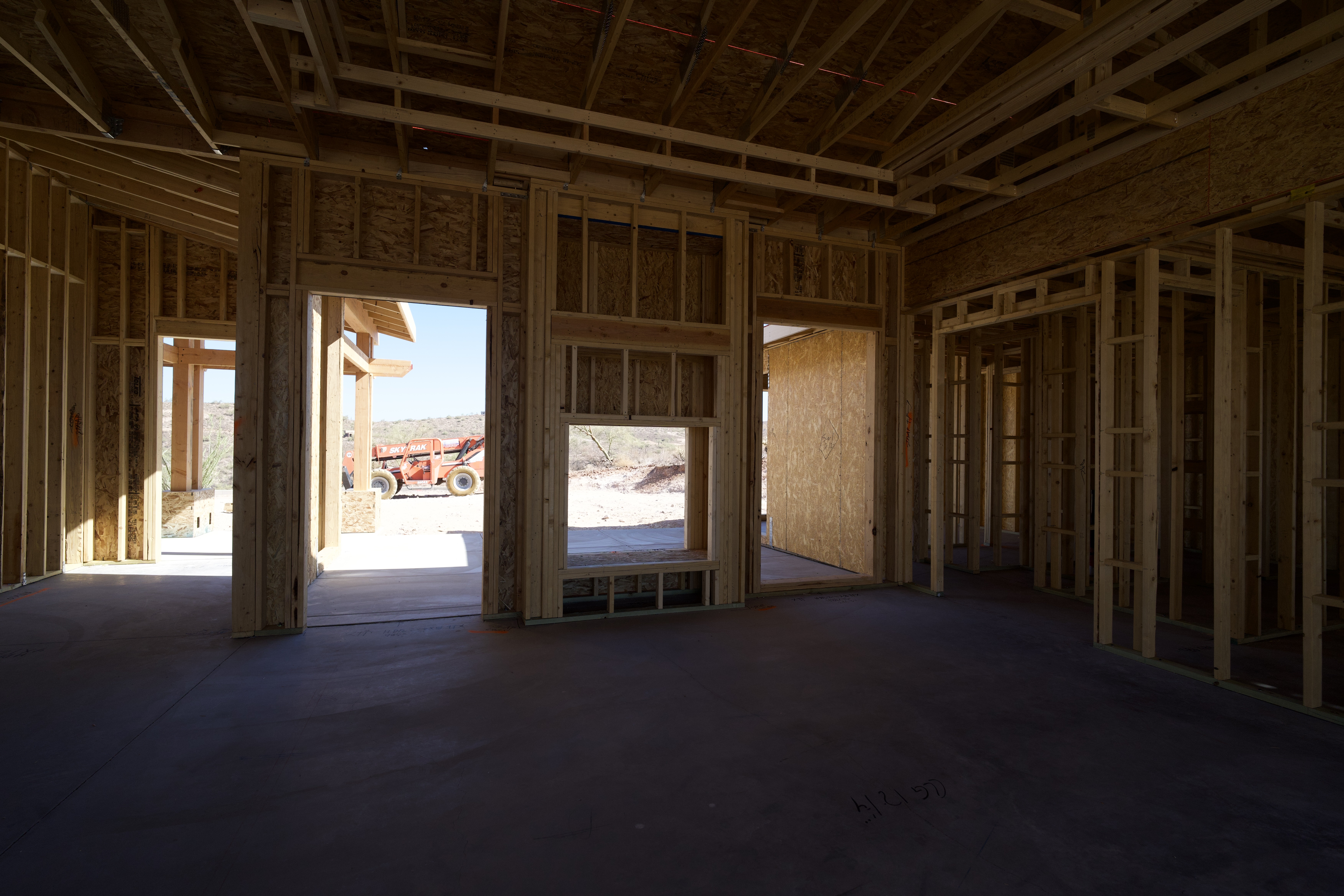
Framing refers to the process of constructing the skeletal structure of a building. This framework typically involves materials such as wood, steel, or concrete and serves as the base for walls, roofs, and floors. Proper framing is essential for the overall integrity of a structure.
Why is Framing Important in Home Additions?
- Structural Support: Framing provides the necessary support for the roof and walls, ensuring stability.
- Design Flexibility: Good framing allows for creative designs that can enhance the aesthetics of your home.
- Energy Efficiency: Properly framed additions can improve insulation, resulting in lower energy costs.
- Building Codes Compliance: Framing must adhere to local building codes, ensuring safety and legality.
- Increased Property Value: A well-framed addition can enhance the overall value of your home.
Types of Framing Methods
- Platform Framing: The most common method, where each floor is built as a separate platform.
- Balloon Framing: A method where the wall studs extend from the foundation to the roof, allowing for taller structures.
- Post and Beam Framing: Involves heavy timber posts and beams, offering a rustic aesthetic and open spaces.
Choosing the Right Framing Material
Selecting the right material for framing is critical for the durability and appearance of your home addition. Here are some common materials along with their benefits:
- Wood: Offers natural beauty and insulation properties but requires maintenance.
- Steel: Provides strength and durability, resistant to pests and rot but may require additional insulation.
- Concrete: Highly durable and fire-resistant, ideal for basements and foundations.
How to Ensure Proper Framing
To guarantee that your framing is done correctly, consider the following best practices:
- Hire Experienced Professionals: Work with licensed contractors who specialize in framing.
- Follow Architectural Plans: Adhere to approved designs to ensure proper dimensions and layouts.
- Inspect Regularly: Conduct regular inspections during the framing process to catch any issues early.
Common Framing Mistakes to Avoid
- Ignoring Local Building Codes: Always check and comply with local regulations.
- Underestimating Material Needs: Ensure you have sufficient materials to avoid delays.
- Poorly Planned Layout: Take time to plan the layout for efficiency and aesthetic appeal.
Conclusion
Framing is a critical component of home additions that directly affects the safety, functionality, and value of your home. By understanding the importance of proper framing, choosing the right materials, and avoiding common mistakes, you can ensure that your home addition will stand the test of time. When considering your next home project, don’t overlook the framing—it’s the foundation of your dream space.