Understanding the Costs of Home Additions
Home additions can be an excellent way to increase your living space and enhance your home's value. However, understanding the costs associated with these projects is crucial for effective budgeting and planning. In this guide, we will explore the various factors affecting home addition costs, budgeting tips, and what to expect during the construction process.
Factors Influencing Home Addition Costs
- Size of the addition
- Type of materials used
- Labor costs in your area
- Permits and zoning requirements
- Design complexity
- Existing home condition
- Seasonal factors and timelines
Each of these factors can significantly impact the overall cost of your home addition. Let’s break them down further.
Size of the Addition
The larger the addition, the higher the costs. Generally, the cost per square foot decreases as the size increases, but the overall budget will still rise. It's important to define how much space you truly need.
Type of Materials Used
Choosing high-quality materials can raise your budget but may be worth the investment for longevity and aesthetics. Consider options like:
- Wood vs. steel framing
- Types of roofing materials
- Insulation quality
- Interior finishes like flooring and cabinetry
Labor Costs in Your Area
Labor costs vary significantly depending on your location. Urban areas tend to have higher rates due to demand, while rural areas may offer more affordable options. Always get multiple quotes.
Permits and Zoning Requirements
Before starting your addition, check local regulations as many jurisdictions require permits, which can add to costs. Ensure compliance to avoid fines or construction delays.
Budgeting for Your Home Addition
Creating a realistic budget is essential for a successful home addition. Here are some steps to help you plan:
- Assess your current financial situation and set a budget limit.
- Include a contingency fund of 10-20% for unexpected costs.
- Research average costs for similar additions in your area.
- Consult with professionals for accurate estimates.
- Prioritize features to understand where you can cut costs if necessary.
What to Expect During Construction
Once you have your budget and plans in place, the construction phase begins. Here’s what to expect:
- Initial site preparation and demolition if necessary.
- Foundation work, which may involve excavation and concrete pouring.
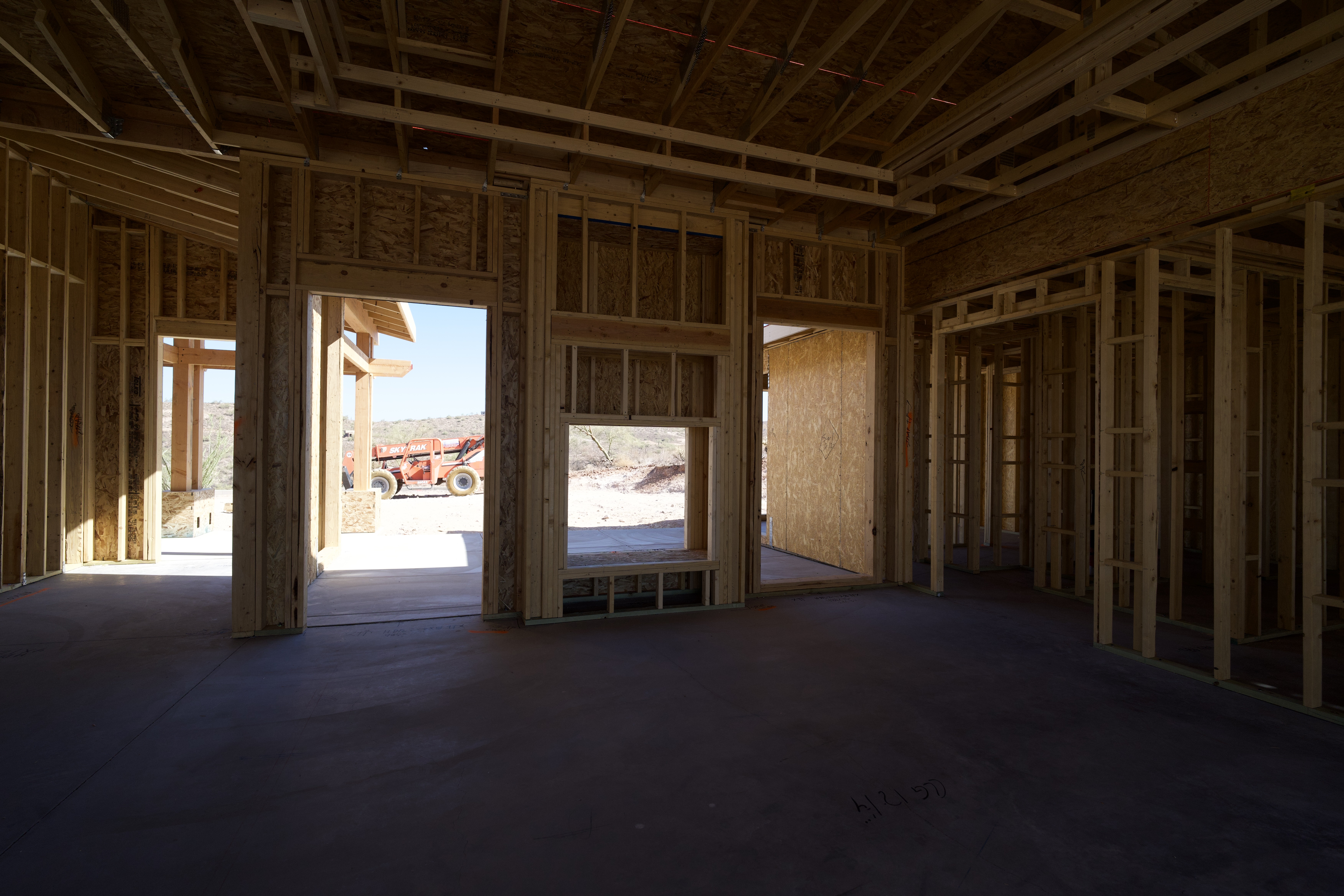
- Framing and structural work, including walls, roofing, and windows.
- Electrical, plumbing, and HVAC installations.
- Interior finishes, including flooring, painting, and fixtures.
- Final inspections and clean-up.
Timeline of the Addition Process
The timeline for completing a home addition can vary widely based on the complexity of the project, but generally, you can expect:
- Planning and permitting: 1-3 months
- Construction: 2-6 months
- Final inspections and finishing touches: 1 month
Conclusion
Understanding the costs associated with home additions is crucial to ensuring a successful project. By considering the various factors that influence costs and planning effectively, you can create a beautiful and functional space in your home. Remember to consult with professionals, establish a clear budget, and stay informed throughout the process to make your home addition a rewarding investment.