How to Choose the Right Framing Materials
When it comes to construction and home building, selecting the right framing materials is essential for ensuring durability, aesthetics, and overall structural integrity. With a plethora of options available, it can be overwhelming to make the right choice. This guide will help you navigate through the various types of framing materials and their applications.
Understanding Different Types of Framing Materials
Framing materials can significantly impact the quality of your construction project. Here are the most common types:
- Wood
- Steel
- Concrete
- Engineered Wood Products
- SIP (Structural Insulated Panels)
1. Wood Framing
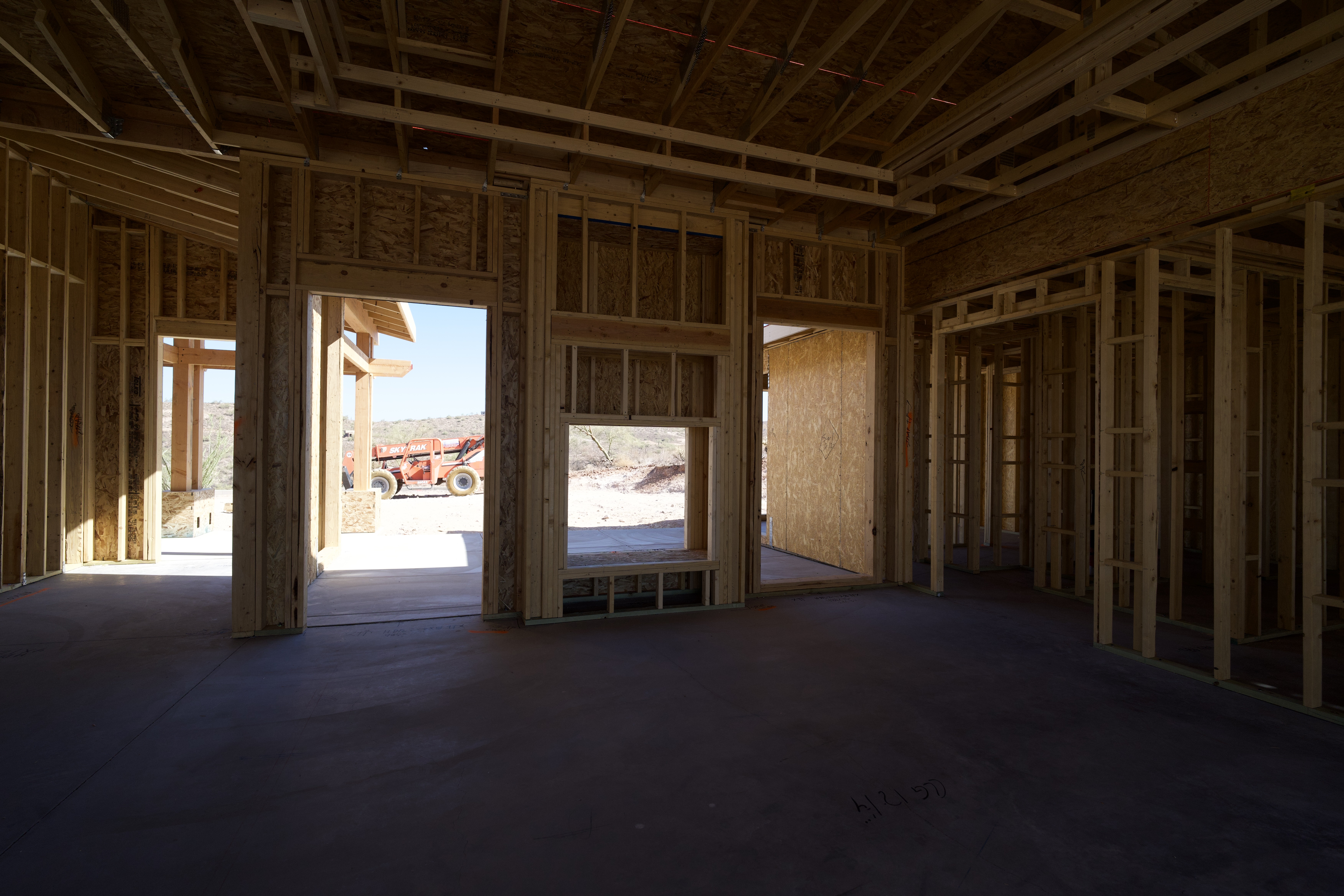
Wood is a traditional and widely used framing material. It is known for its versatility and ease of use.
- Pros: Cost-effective, easy to work with, good insulation properties.
- Cons: Susceptible to pests, moisture-related issues, and fire hazards.
2. Steel Framing
Steel framing has gained popularity in recent years, especially for commercial buildings. It provides excellent strength and durability.
- Pros: Fire-resistant, pest-resistant, and can withstand severe weather conditions.
- Cons: Higher initial cost, requires specialized labor for installation.
3. Concrete Framing
Concrete is another robust option, suitable for various building types, especially in areas prone to natural disasters.
- Pros: High durability, excellent thermal mass, and energy efficiency.
- Cons: Heavy, requires skilled labor, and can be more expensive.
4. Engineered Wood Products
Engineered wood products, such as LVL (Laminated Veneer Lumber) and glulam (Glued Laminated Timber), offer enhanced performance compared to traditional lumber.
- Pros: Greater strength and stability, less susceptible to warping.
- Cons: Generally more expensive than standard lumber.
5. SIP (Structural Insulated Panels)
SIPs are an innovative option that combines insulation and structural support in one system.
- Pros: Excellent insulation properties, quick to install, energy-efficient.
- Cons: Can be costly and may require special framing techniques.
Factors to Consider When Choosing Framing Materials
Selecting the right framing material requires careful consideration of several factors:
- Budget: Assess the financial implications of various materials.
- Location: Consider environmental factors such as climate and weather conditions.
- Building Codes: Ensure compliance with local building regulations.
- Aesthetics: Think about how the material will look in your home or project.
- Longevity: Evaluate the durability and maintenance needs of the materials.
Environmental Impact of Framing Materials
Sustainability is becoming increasingly important in construction. Here’s how different materials stack up:
- Wood: Renewable resource but can lead to deforestation if not sourced sustainably.
- Steel: Recyclable but energy-intensive to produce.
- Concrete: High carbon footprint but can be mitigated with recycled materials.
- Engineered Wood: Often made from waste wood, providing a sustainable option.
- SIPs: Can be manufactured with eco-friendly materials, promoting energy efficiency.
Conclusion
Choosing the right framing materials is a crucial step in any construction or home building project. By understanding the various materials available and considering factors like budget, location, and environmental impact, you can make an informed decision that aligns with your project goals. Whether you opt for traditional wood, robust steel, or innovative SIPs, the right choice will contribute to the longevity and success of your build.
Contact Us
For more information on framing options and to discuss your specific needs, feel free to reach out to Villega's Framing LLC at [villegasframingllc.com](http://villegasframingllc.com).